Какую роль играют передовые системы управления и программное обеспечение в обеспечении качества и прослеживаемости трансформаторов с фольгой?
Сложность и точность современного производства трансформаторов требуют не только надежной механики; они требуют интеллекта.Качество катушки теперь неотделимо от программного обеспечения и систем управления, которые управляют процессом намоткиКритический вопрос для производителей, принимающих эти технологии, заключается в следующем: какую конкретную роль играют передовые элементы управления, программное обеспечение,и системы управления данными играют важную роль в обеспечении структурного качества иИ, что еще важнее, отслеживание от конца к концу каждой готовой катушки трансформатора?
Усовершенствованные системы управления превращают процесс обмотки из ручной, зависимой от оператора задачи в высоко повторяемый, основанный на данных производственный процесс.
Гарантированная повторяемость процесса с помощью ПЛК и сервоуправления:
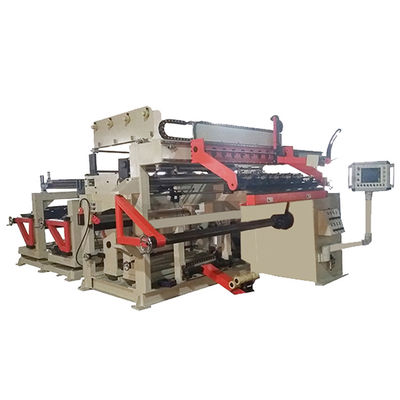
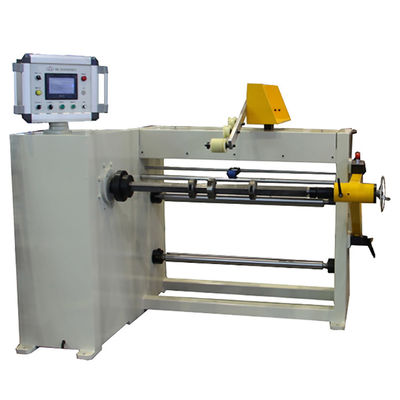
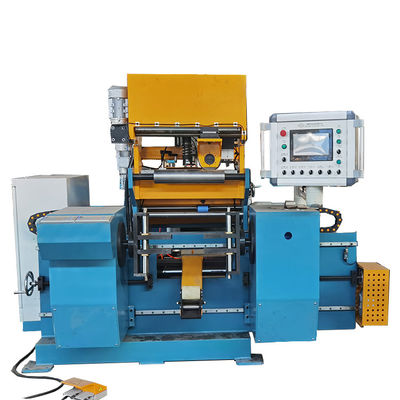
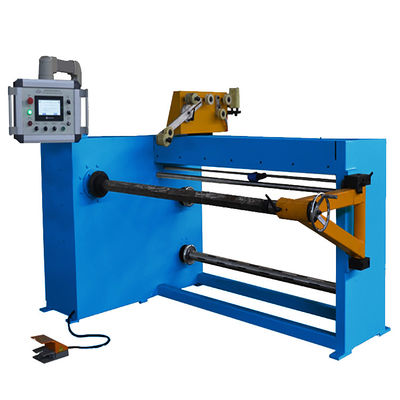
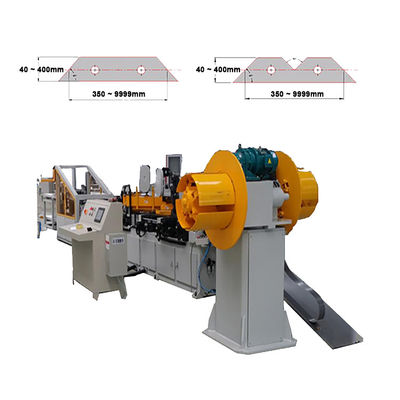
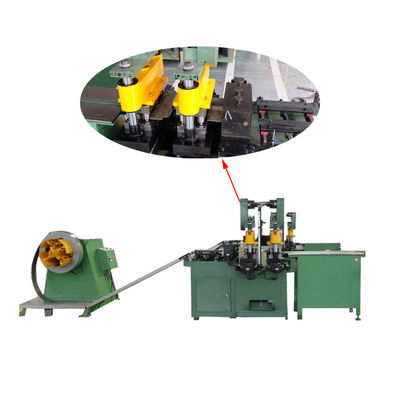
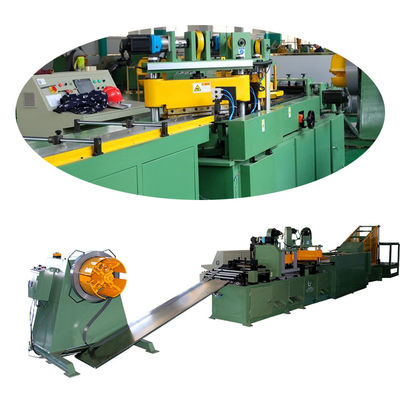
В основе современной машины для намотки фольги находится сложный промышленный контроллер, как правило, высокоскоростной программируемый логический контроллер (PLC), интегрированный с многоосевыми сервоприводами.Эта система выполняет программу намотки с неуклонной точностью.
Цифровое управление рецептами: машина использует цифровую систему рецептов, где каждый параметр ‒ наклона обмотки, профиль напряжения для каждого слоя, кривая скорости обмотки,и допустимость выравнивания краев сохраняется как единаяЭто гарантирует, что катушка, произведенная сегодня, использует те же параметры, что и катушка, произведенная шесть месяцев назад, гарантируя повторяемость, которую невозможно достичь с помощью ручной установки.
Контроль в режиме реального времени с закрытым циклом: все критические функции, включая скорость обмотки, напряжение проводника и положение края фольги,управляются системами обратной связи с закрытым контуром, работающими на сервоприводах с высокой пропускной способностьюНапример, данные нагрузочных элементов постоянно сравниваются с рецептом целевого напряжения, а крутящий момент привода регулируется сотни раз в секунду.Это автоматическое управление поддерживает точное напряжение и выравнивание во время ускорения и замедления катушки, предотвращая появление дефектов на наиболее динамичных этапах цикла обмотки.
Улучшение обеспечения качества и прослеживаемости:
Для трансформаторов высокой надежности, особенно используемых в электросетях или критически важных промышленных приложениях,производитель должен предоставить подробную запись производственного процесса для каждой единицыЗдесь программное обеспечение машины и возможности регистрации данных являются незаменимыми.
Регистрация параметров: система управления автоматически регистрирует все критические параметры процесса на протяжении всей продолжительности намотки.среднее и пиковое напряжение, применяемое к проводнику и изоляцииЭти данные помечены временем и связаны непосредственно с уникальным серийным номером катушки.
Регистрация дефектов и событий: система регистрирует каждое значимое событие, такое как аварийная остановка, сцепление материала или отклонение за пределы запрограммированных допустимых пределов.Если спустя годы возникает проблема контроля качества, эти данные обеспечивают необходимую прослеживаемость для анализа точных условий, при которых катушка была изготовлена, что является непредвзятым требованием в высоконадежном техническом обеспечении.
Интегрированные измерения: передовые машины часто интегрируют инструменты измерения в процессе, такие как датчики лазерного диаметра, которые записывают фактический, измеренный диаметр катушки в различных точках.Эти измеренные данные обеспечивают окончательную проверку теоретических расчетов обмотки и автоматически добавляются в отчет о качестве катушки.
Эффективность работы с помощью программного обеспечения:
Современные интерфейсы используют большие, интуитивно понятные сенсорные экраны для отображения прогресса намотки,обеспечивают визуальную обратную связь на напряжение и выравниваниеИнтегрированная самодиагностика немедленно обнаруживает механические или электрические сбои, сокращая время устранения неполадок и максимизируя время работы машины.Кроме того,, возможность подключения машины к сети позволяет инженерам дистанционно контролировать производство, анализировать показатели производительности (например, катушки на смену),и продвигать обновления программного обеспечения или новые рецепты прямо на площадке магазина.
По сути, передовые элементы управления и программное обеспечение, интегрированные в трансформаторную намотку фольги, служат цифровой основой процесса качества.Они обеспечивают абсолютную повторяемость с помощью цифровых рецептов., поддерживать структурную целостность посредством точного контроля в замкнутом цикле и обеспечить незаменимый аудит, необходимый для современной ответственности за продукты и соблюдения нормативных требований.Интеллект внутри машины - это то, что возвышает простой механический процесс в проверяемый, высокоточная производственная операция.


 Ваше сообщение должно содержать от 20 до 3000 символов!